How Dum Biryani Is Made: The Slow-Cooking Method That Changes Everything
Discover how authentic dum biryani is slow-cooked in a sealed pot — and why this ancient method produces flavour no shortcut can replicate.
The Ancient Secret Behind Every Pot of Dum Biryani
There is a moment, somewhere between the first wisp of steam and the lifting of the sealed lid, when a pot of dum biryani stops being a recipe and becomes something closer to a ritual. If you have ever wondered why authentic dum biryani tastes fundamentally different from anything you can replicate at home in thirty minutes, the answer lives inside that sealed pot, in the patience required to let heat, moisture, and time do what no high flame ever could. At Biryani Master in Mississauga, this method is not a marketing angle — it is the only way we cook.
QUICK ANSWER
Dum biryani is made by layering par-cooked rice with marinated meat or vegetables in a heavy pot, sealing the lid with dough, and cooking everything slowly over a low flame. The trapped steam circulates inside the pot, cooking the ingredients together from every direction at once — infusing fat, spice, and moisture into each grain of rice in a way that fast cooking simply cannot achieve.
What Does "Dum" Actually Mean?
The word "dum" comes from the Persian and Urdu term meaning breath or steam. In the context of cooking, it refers to a very specific technique: enclosing food in a sealed vessel and allowing it to cook in its own rising vapour over a sustained, gentle heat. The technique has roots in the royal kitchens of the Mughal era, where slow cooking over charcoal with sealed clay pots was considered the mark of serious culinary craft. It was never about convenience. It was always about result.
The principle is straightforward enough to explain but surprisingly difficult to execute well. The pot must be the right weight and material. The seal must be tight enough to trap steam but not so rigid that the pot cracks under pressure. The flame must stay low and consistent for the entire cooking window. Every variable matters, and every shortcut shows up in the final dish — in the texture of the rice, the tenderness of the meat, and the depth of the aroma when the lid finally comes off.
Hyderabadi biryani in particular developed its own identity through this method. Unlike other regional styles that layer cooked meat with cooked rice, the Hyderabadi kacchi style places raw or lightly marinated meat directly beneath partially cooked rice before sealing. The meat finishes cooking inside the pot through steam alone, releasing its juices upward through the rice as it does. That upward journey of fat and spice through each grain is what makes Hyderabadi dum biryani taste the way it does — and why so many people searching for the best dum biryani near me are specifically looking for this style.
How Does the Dum Cooking Process Work, Step by Step?
Authentic dum biryani is built in distinct stages, and each one shapes the final outcome. Here is how the process unfolds at our kitchen.
The Marinade
The process begins hours before anything meets a flame. Whether we are preparing dum biryani chicken or our slow-cooked mutton version, the meat is marinated in a blend of yoghurt, whole spices, aromatics, and herbs. This is not seasoning — it is a tenderising process. The acids in the yoghurt begin breaking down the protein fibres, while the spices penetrate the surface of the meat. By the time the marinade is complete, the chicken or mutton has already begun its transformation.
The Rice Preparation
Long-grain basmati rice is rinsed, soaked, and then par-boiled in seasoned water with whole spices — typically bay leaves, cardamom, cloves, and a cinnamon stick. The rice is pulled from the boiling water before it is fully cooked, usually when each grain is roughly seventy percent done. This is intentional. The rice needs to finish cooking inside the sealed pot, absorbing steam and the rising fat from the meat below. If you fully cook the rice before assembly, the dum process will turn it to mush. The precise timing of the par-boil is one of the skills that separates an experienced biryani cook from everyone else.
The Layering
Assembly is where the artistry becomes visible. The marinated meat goes into the base of a heavy-bottomed pot, followed by layers of par-cooked rice. Between and over the layers, the cook adds fried onions (known as birista), fresh mint, saffron dissolved in warm milk, and a careful measure of ghee. Each of these ingredients has a role: the saffron and ghee perfume the steam as it rises, the mint brightens the overall flavour, and the crisp fried onions add texture and a quiet sweetness that cooked-through onion cannot provide.
The Seal and the Cook
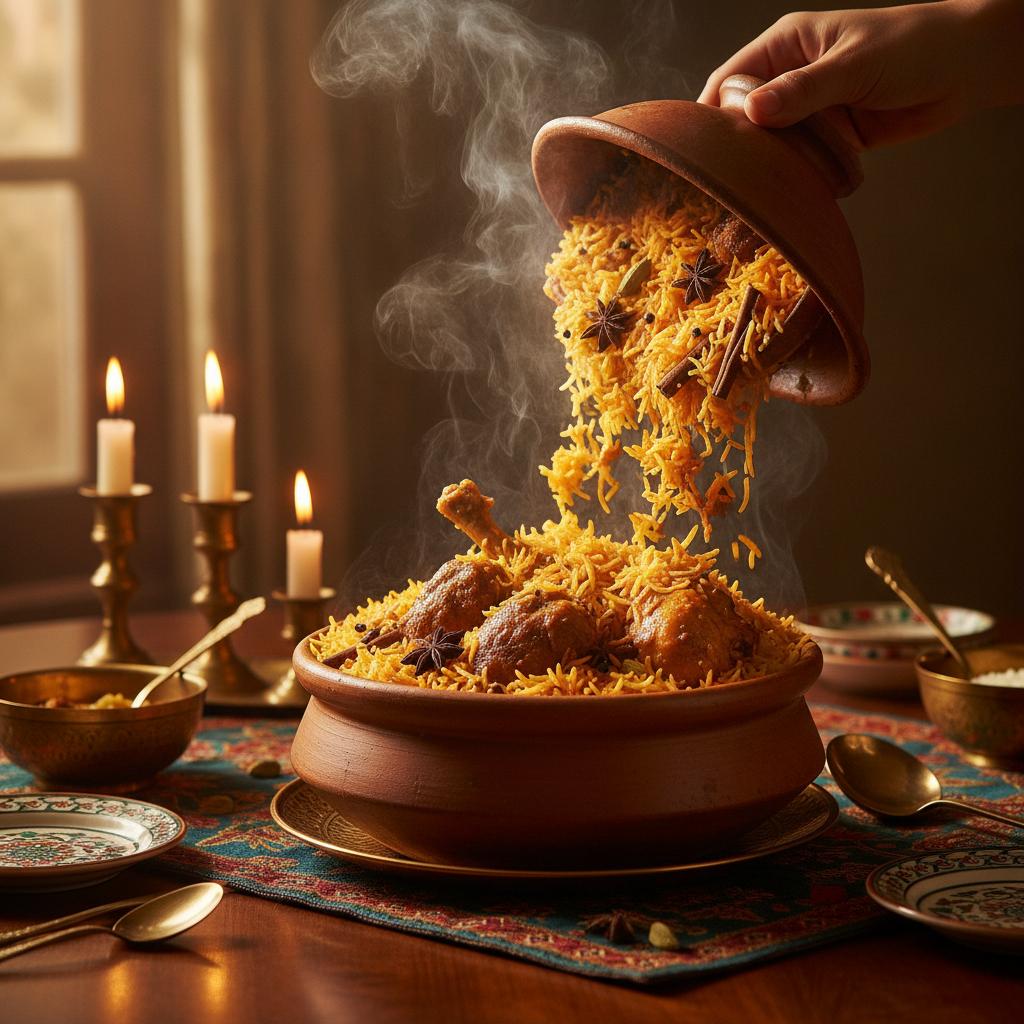
Once layered, the pot is sealed with dough — a simple flour paste pressed around the rim of the lid to form an airtight barrier. This seal is critical. It forces all steam to remain inside the pot rather than escaping, creating an internal pressure that drives moisture and flavour deeper into every ingredient. The pot then goes onto a low, steady heat. In traditional preparations, a tawa (a flat griddle) is placed between the flame and the pot to distribute heat more evenly and prevent any scorching on the base. The biryani cooks undisturbed for an extended period, and the cook must resist every instinct to lift the lid and check.
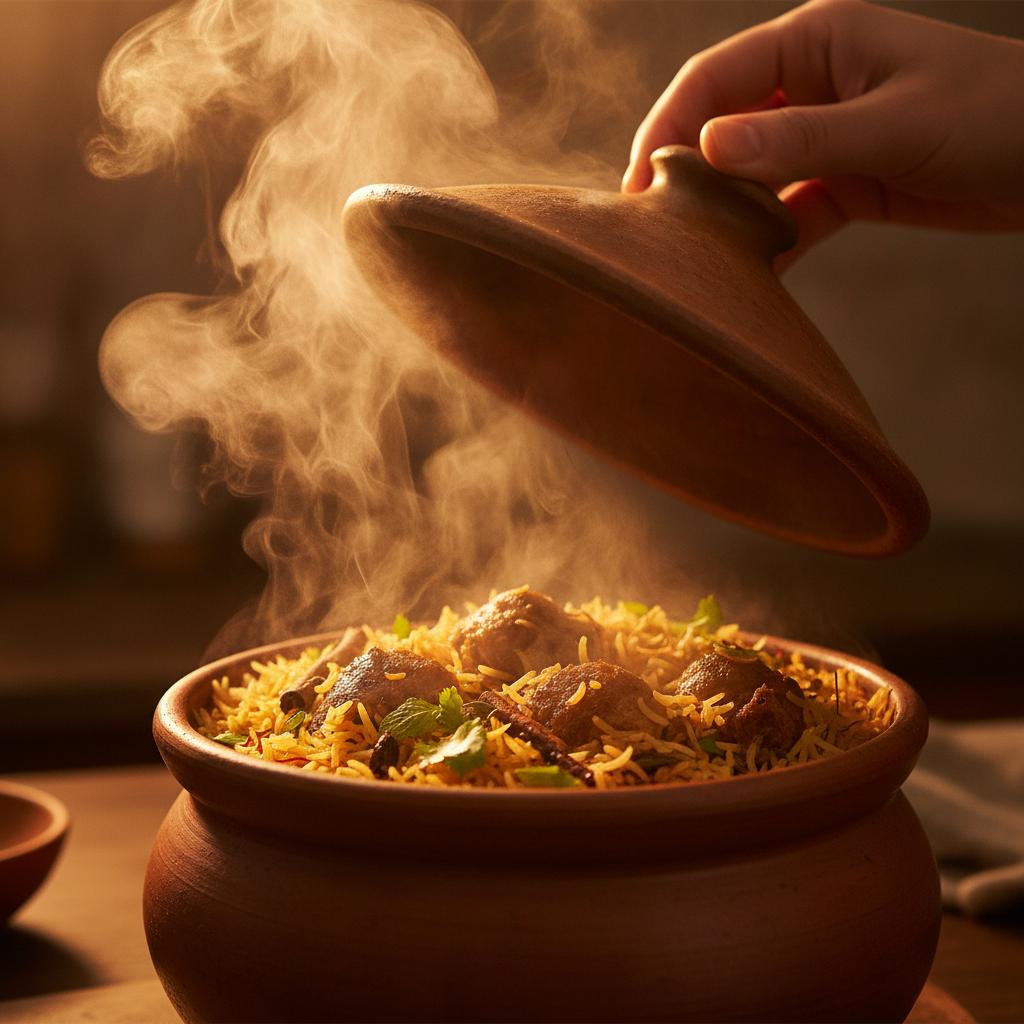
When the seal is finally broken at the table or the counter, the steam that escapes carries the full fragrance of everything inside — saffron, slow-rendered meat, toasted spice, and caramelised onion all at once. That moment is not theatre. It is the result of everything that came before it.
Why Does the Dum Method Produce Better Flavour Than Other Cooking Styles?
The dum method produces deeper, more integrated flavour because the sealed environment forces every ingredient to cook in relationship with every other ingredient, rather than independently. In an open pot or a pressure cooker, steam escapes. Volatile aromatic compounds — the fragile molecules responsible for the way fresh spices smell — evaporate into the air. You lose them before they can bond with the rice or the meat. Inside a sealed dum pot, those same compounds have nowhere to go. They condense on the rice, they penetrate the meat, they cycle through the pot again and again until the flavour profile of the dish becomes genuinely unified.
The slow heat also matters enormously for texture. Meat cooked at a rapid boil tightens and toughens as its proteins contract quickly under heat shock. Meat cooked slowly in steam relaxes. The connective tissue in mutton, for example, converts to gelatin over time rather than simply hardening, which is why a well-made Hyderabadi Dum Mutton Biryani has meat that practically pulls apart without any effort. You cannot rush that process and get the same result.
"Biryani is not just food — it is the sum of every patient decision a cook made before the lid went on."
This is also why a reheated biryani often tastes better than it did fresh. The continued contact between rice and meat during the resting period after cooking allows flavours to settle further. The dish is still working even after the flame is off.
What Makes Hyderabadi Dum Biryani Different From Other Regional Styles?
Hyderabadi dum biryani is distinctive primarily because of its kacchi (raw meat) technique and its spice philosophy. Where Lucknowi biryani (also called pakki biryani) cooks the meat separately and then layers it with rice, the Hyderabadi version places the raw marinated meat at the base and relies entirely on the dum process to cook it through. This means the meat's juices and fat migrate upward through the rice during cooking rather than sitting beside it — a fundamentally different flavour distribution.
The spice profile in Hyderabadi biryani also tends to be more assertive. Whole spices are used liberally, and the marinade often includes a combination of green chillies, ginger, garlic, and stone flower (dagad phool), a lichen-derived spice that contributes a deep, slightly earthy base note you will not find in many other Indian rice dishes. It is not a spice that announces itself loudly, but its absence is noticed.
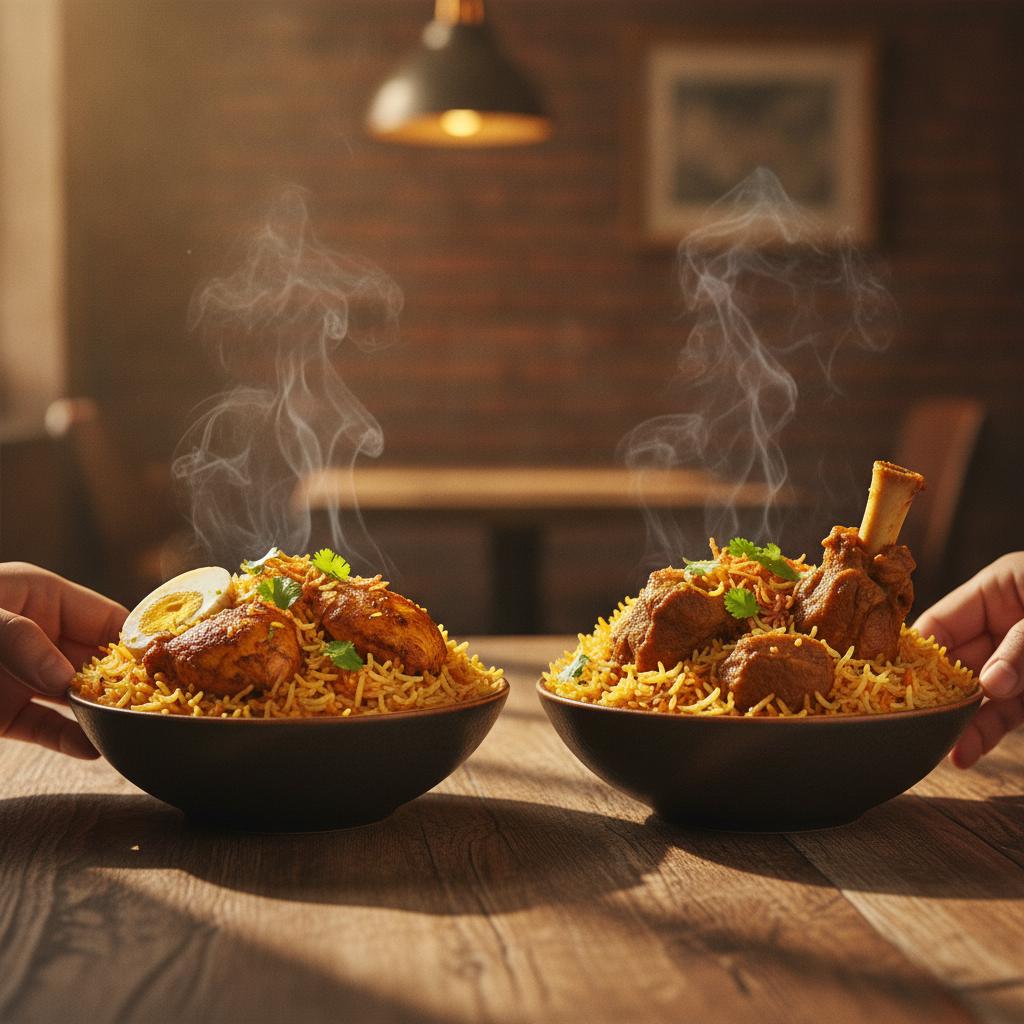
Our menu at Biryani Master reflects this tradition faithfully. The Hyderabadi Dum Chicken Biryani, the Hyderabadi Dum Mutton Biryani, and our Vegetable Dum Biryani each follow the same foundational method — sealed pot, low heat, time — because we believe that is the only honest way to serve this dish to our community in Mississauga and across the Greater Toronto Area.
| Biryani | Protein / Base | Cooking Method | Best For |
|---|---|---|---|
| Hyderabadi Dum Chicken Biryani | Chicken | Kacchi dum (raw marinade, sealed pot) | Classic Hyderabadi experience |
| Hyderabadi Dum Mutton Biryani | Mutton | Kacchi dum (slow steam, longer cook) | Rich, deeply spiced flavour |
| Chicken 65 Biryani | Spiced fried chicken | Dum-layered with seasoned rice | Bold, punchy flavour lovers |
| Vegetable Dum Biryani | Seasonal vegetables | Sealed dum, same layering technique | Vegetarian guests and families |
Where Can You Find Authentic Dum Biryani Near You in the GTA?
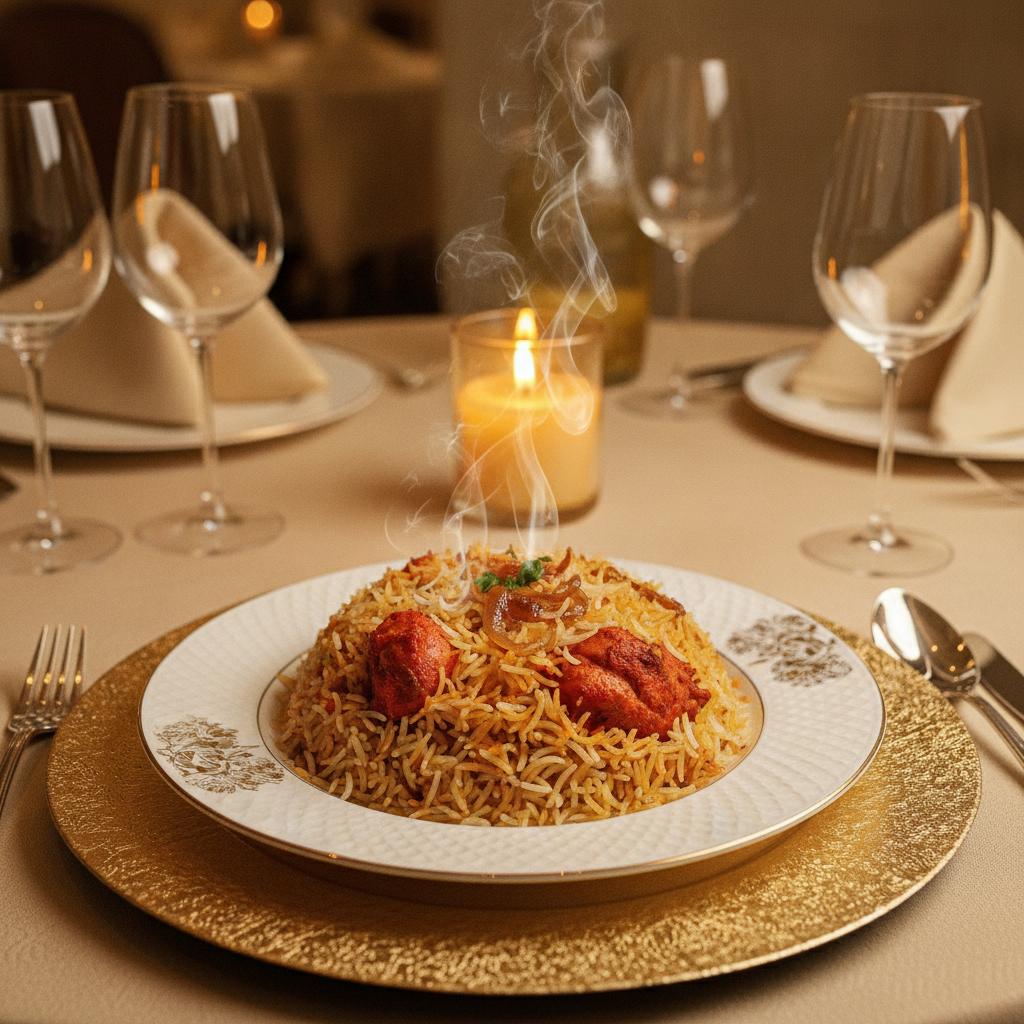
Finding a restaurant that genuinely follows the dum process — rather than one that simply claims to — takes a little bit of attention. The most reliable signal is how the food smells and looks when it arrives. Properly made dum biryani has rice grains that are long, separate, and slightly glistening from the absorbed fat. The colour should show variation: white rice near the top, golden and saffron-tinted grains toward the middle, and richly spiced grains at the base. Uniform colour throughout usually means the rice was cooked separately and then mixed — a different dish entirely.
Texture tells the same story. Each grain of rice in a dum biryani should hold its shape while still being fully cooked through. The meat — whether chicken or mutton — should be tender enough to break with a spoon but not so soft that it has dissolved into the rice. That balance is the mark of correct timing and proper heat management during the dum process.
For anyone searching for dum biryani near me or hyderabadi biryani near me in the Mississauga area, we understand what you are actually looking for. You are not looking for a restaurant that sells biryani as a side item or an afterthought. You are looking for a kitchen where biryani is the entire point — where the cook understands the kacchi method, sources the right rice, and takes the time the dish requires. That is exactly the kitchen we run, across both of our Mississauga locations, with the same recipe at both.
We also offer Party Trays for gatherings and full Biryani Catering for Events — from intimate family functions to larger corporate occasions — so that the same slow-cooked quality you enjoy at our counter arrives at your table too. If you are organising an event and want reliable, consistent dum biryani for a crowd, our catering service is built exactly for that.
Ready to Taste the Difference?
Order for dine-in, takeaway, delivery, or catering. Whether you come to us or we come to your event, the same sealed-pot, slow-cooked biryani is waiting for you.
Order from Biryani MasterWritten by the Biryani Master Team
We are the team behind Biryani Master, Mississauga's home of authentic Hyderabadi dum biryani. Every article we write comes from the same place as every pot we cook — a genuine belief that biryani, done right, is more than a meal.
Frequently Asked Questions
How long does dum biryani actually take to cook?
The dum cooking stage itself typically lasts between 45 minutes to over an hour on a low flame, but that is only part of the timeline. When you factor in marination (which can run for several hours), par-boiling the rice, and the layering process, a properly made pot of dum biryani represents a substantial investment of time before the first spoonful is served. This is precisely why shortcuts — pressure cooking, high heat, or pre-mixed rice and meat — produce a noticeably different result. The time is not incidental. It is the method.
What is the dough seal on a dum biryani pot for?
The dough seal (called "atta" seal in most Hyderabadi kitchens) creates an airtight closure between the pot and its lid. Without it, steam escapes during cooking, which reduces internal pressure, causes temperature fluctuations, and allows aromatic compounds to leave the pot before they can be absorbed by the rice and meat. The seal is not decorative — it is a functional part of the dum method that directly affects how the flavours develop. A properly sealed pot traps everything inside and forces it to work together.
Why does Hyderabadi biryani taste different from other biryani styles?
Hyderabadi biryani uses the kacchi technique, where raw marinated meat is cooked entirely within the sealed pot alongside the rice. This means the meat's fat and juices travel upward through the rice as steam rises, flavouring every layer from the inside out. Other regional styles cook the meat beforehand and combine it with the rice separately, which produces a different flavour distribution. The Hyderabadi approach also uses a more complex spice base that includes ingredients like stone flower (dagad phool), giving the dish its characteristic depth and aroma.
Can I order dum biryani for a large event or corporate function?
Yes. Biryani Master offers Biryani Catering for Events and Party Trays specifically for larger gatherings, family celebrations, and corporate occasions across the Greater Toronto Area. Our catering brings the same slow-cooked, sealed-pot biryani that we serve in our Mississauga locations directly to your event. We recommend reaching out in advance so our team can plan quantities and logistics properly — catering biryani at scale requires the same careful preparation as a single pot, just multiplied thoughtfully.